
Home repair in Yuma, AZ — one call covers it all.
Most homes need a little of everything: a drywall patch here, a leaky faucet there, a door that sticks every summer, paint that's overdue. Handyman Yuma AZ handles all of it — across every trade, in every neighborhood in Yuma County — under one roof with a single phone number.
Everything your Yuma home needs — in one place.

Why Yuma homes need more maintenance — and different expertise.
Yuma is one of the most extreme climates in the United States. Summer temperatures regularly hit 110–115°F for weeks at a time. Relative humidity swings from under 10% in spring to 50–60% during monsoon season. Annual rainfall is barely over 3 inches — most of it falling in violent storms over a few weeks.
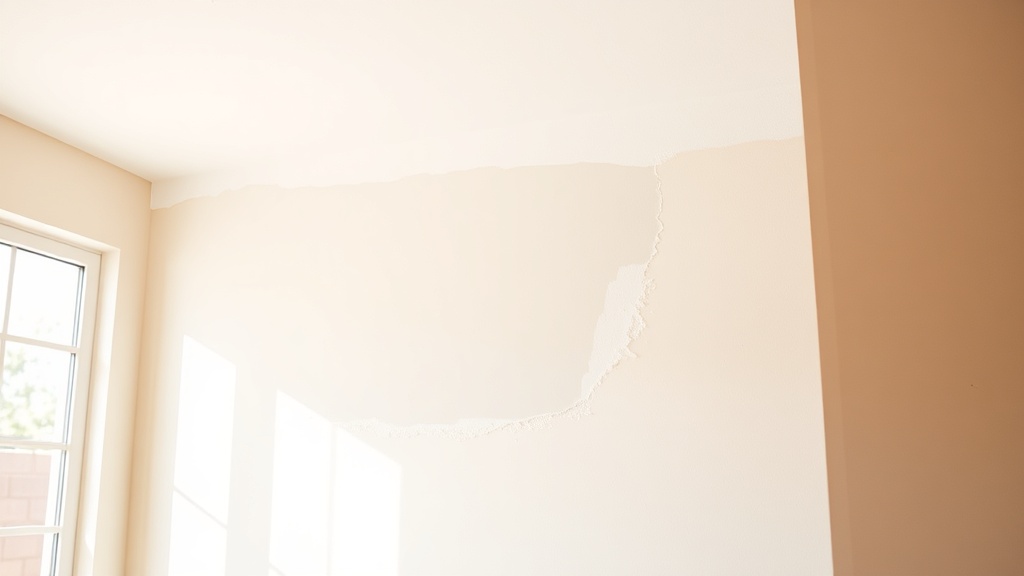
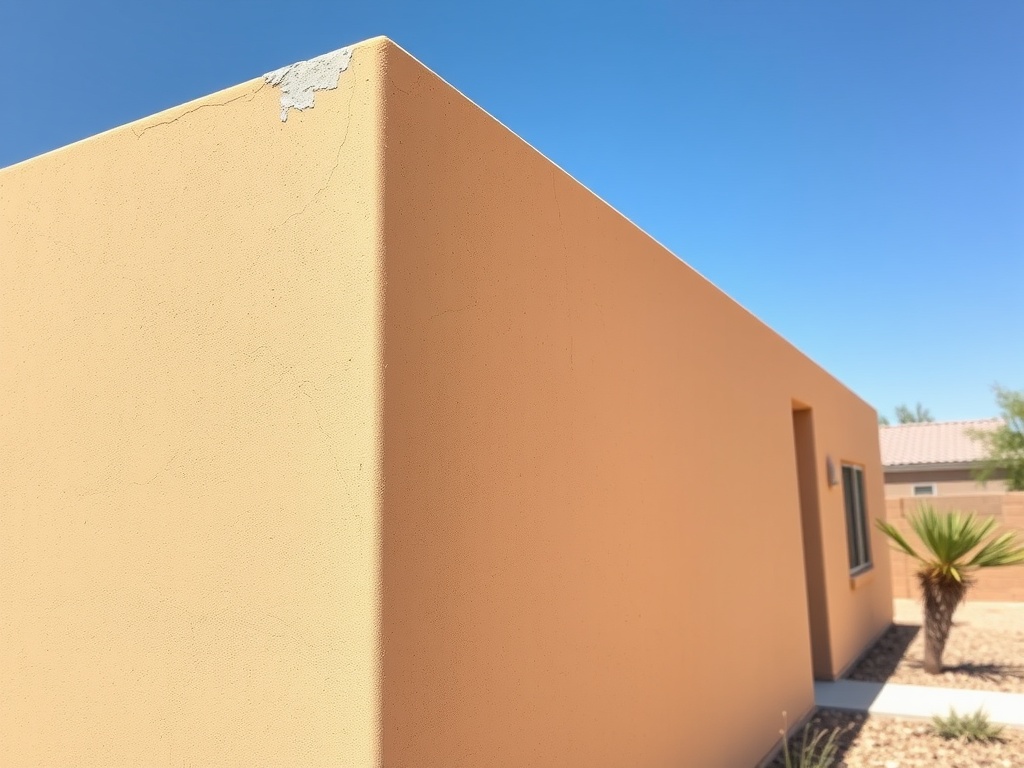
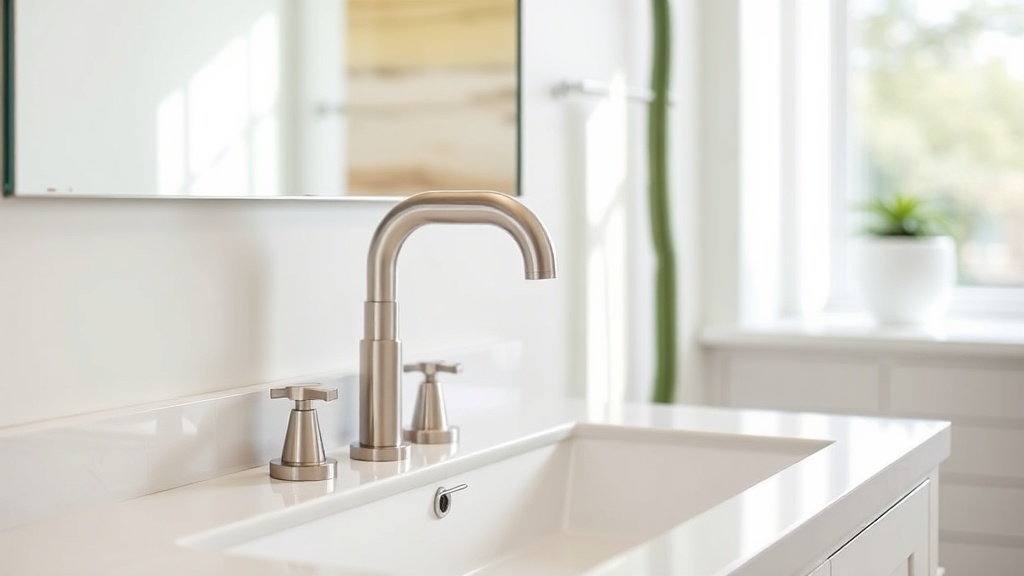
This climate does specific, predictable damage to homes. Thermal expansion and contraction from daily 40-degree temperature swings cracks caulking, stresses drywall joints, and misaligns door frames. Monsoon storms drive water through any gap that dry-season heat has opened up. Hard water leaves calcium deposits that corrode fixtures faster than most homeowners expect.
Handyman Yuma AZ works Yuma homes week in and week out. We don't need to look up what Yuma orange peel texture looks like, or why a door that fit perfectly in October is sticking by July, or what it means when you see a stucco crack near a window corner. These are the same handful of problems this climate produces over and over.
The Handyman Yuma AZ repair process.
Getting your home repaired shouldn't require navigating a complex scheduling system, waiting three weeks for availability, or receiving a vague quote over the phone that balloons into something else on the invoice. Handyman Yuma AZ keeps it simple — because homeowners in Yuma deserve straightforward service.
The process: you call (877) 385-8386 and describe the job. We schedule a visit — usually same-week, sometimes same-day. A technician arrives in the scheduled window, assesses the job in person, and hands you a written estimate that covers everything. You approve it or you don't — either way, no charge for the estimate on standard Yuma County calls. When you approve, we work. When we finish, the final invoice matches the estimate.
Describe the job. We ask for your address and give you a scheduling window.
On-site assessment, written quote. You approve it before any work starts.
Crew works through the job, cleans up, and leaves everything functional.
We clean up, walk the finished work with you, and invoice what was approved.
Estimates only — written quote given on-site. See full guides: drywall · painting · plumbing
We cover all of Yuma County.
Handyman Yuma AZ serves every community in Yuma County. No travel surcharge for most addresses in the county.
If the list is longer than the budget, fix things in this order.
Most Yuma homeowners calling about home repair are not calling about one thing. They have a list that has been accumulating, a number they are willing to spend, and no obvious way to decide what comes first. The instinct is to start with whatever is most annoying — the door that sticks, the stain on the ceiling you look at every evening. That is almost always the wrong order.
The right sort is not by annoyance and not by cost. It is by what happens if you leave it another six months. Some repairs are stable: a cracked tile is the same cracked tile next year. Others are progressive: they are quietly getting more expensive while you decide. Spending the budget on stable items while the progressive ones run is how a manageable list becomes an unmanageable one.
Failed exterior caulk at a window or door joint, open stucco cracks, a roof penetration whose sealant has gone, a slow drip under a sink, a toilet seeping at the base, a bathroom with no working exhaust fan. These are the progressive ones. Every single item on that list is cheap now and expensive later, because each is feeding water into a material that does not recover. Nothing else on your list compounds the way these do, which is why they go first even when they are the least visible.
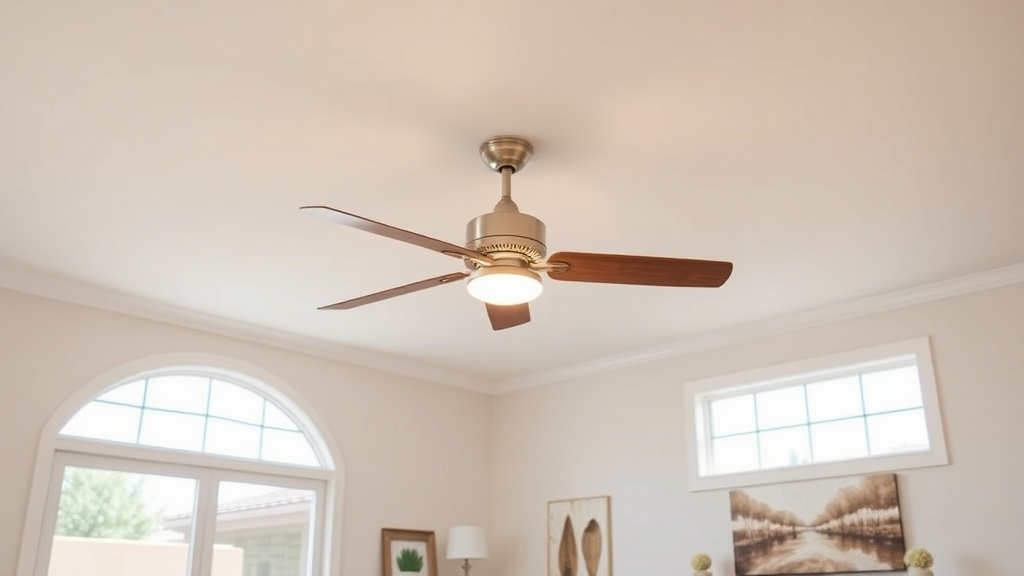
A loose stair rail or grab bar, an exterior door that no longer latches properly, a GFCI that will not reset, a scorched outlet, a wobbling ceiling fan, a gate that will not secure. These do not necessarily get worse on a schedule, but the cost of the failure is not measured in dollars. They are cheap to put right and they come ahead of anything cosmetic.
A roof coating approaching the end of its life, an AC that is limping, a water heater showing early signs, gutters or scuppers that no longer drain where they should. None of these has failed yet. All of them are guarding something that costs several times more than the maintenance does, and catching them in this window is what lets you replace on your own schedule and budget rather than in an emergency at whatever price is available that week.
Cracked tile, a sticking door, a dated fixture, paint, a closet shelf that came down, a ceiling stain from a leak that has already been stopped. These are genuinely worth doing and none of them is any worse in six months than it is today. This is also the group where batching pays most — a visit that already exists for the items above can absorb several of these for very little extra.
Bring Handyman Yuma AZ the whole list rather than the one item you have decided is urgent. We will sort it into those four groups with you and quote it that way, so the money goes where it prevents the most, and the cosmetic items get picked up on the same trip rather than becoming their own call later.
Yuma has a maintenance calendar, and most of it runs before June.
Home repair here is seasonal in a way it is not in a milder climate, and the same job done in the right month is cheaper, faster and lasts longer than the identical job done in the wrong one.
Late winter and spring is when the exterior work belongs. Sealants and coatings need to go on within a workable temperature range and be given time to cure before they are asked to do anything — apply exterior caulk to a wall surface in July and it is being cured and cooked at the same time. It is also the window to get ahead of monsoon season: roof penetrations resealed, scuppers and gutters cleared, flashing checked, stucco cracks closed. Every one of those is a small job in April and a claim in August.
Spring is also the AC window, for the plain reason that everyone else calls in July. Anything you want looked at before the season is easier to schedule and easier to plan around in March than it is on the first 110-degree day.
Summer is interior work. Nobody should be doing avoidable exterior work at 115°F, and interior repairs are better in a conditioned room anyway — drywall compound flashes off before it can be feathered in an unconditioned space, which is why a July garage patch telegraphs through the paint no matter how carefully it was sanded. Summer is also the natural window for work in a seasonal home while it sits empty.
After the monsoon is for assessment, not assumption. Walk the exterior in September and look specifically at fascia, soffit, roof edges and the ground at the base of each wall. The damage that shows up then is rarely where the water got in, so the point of the walk is to find what needs tracing rather than what needs painting.